
Grounds and History
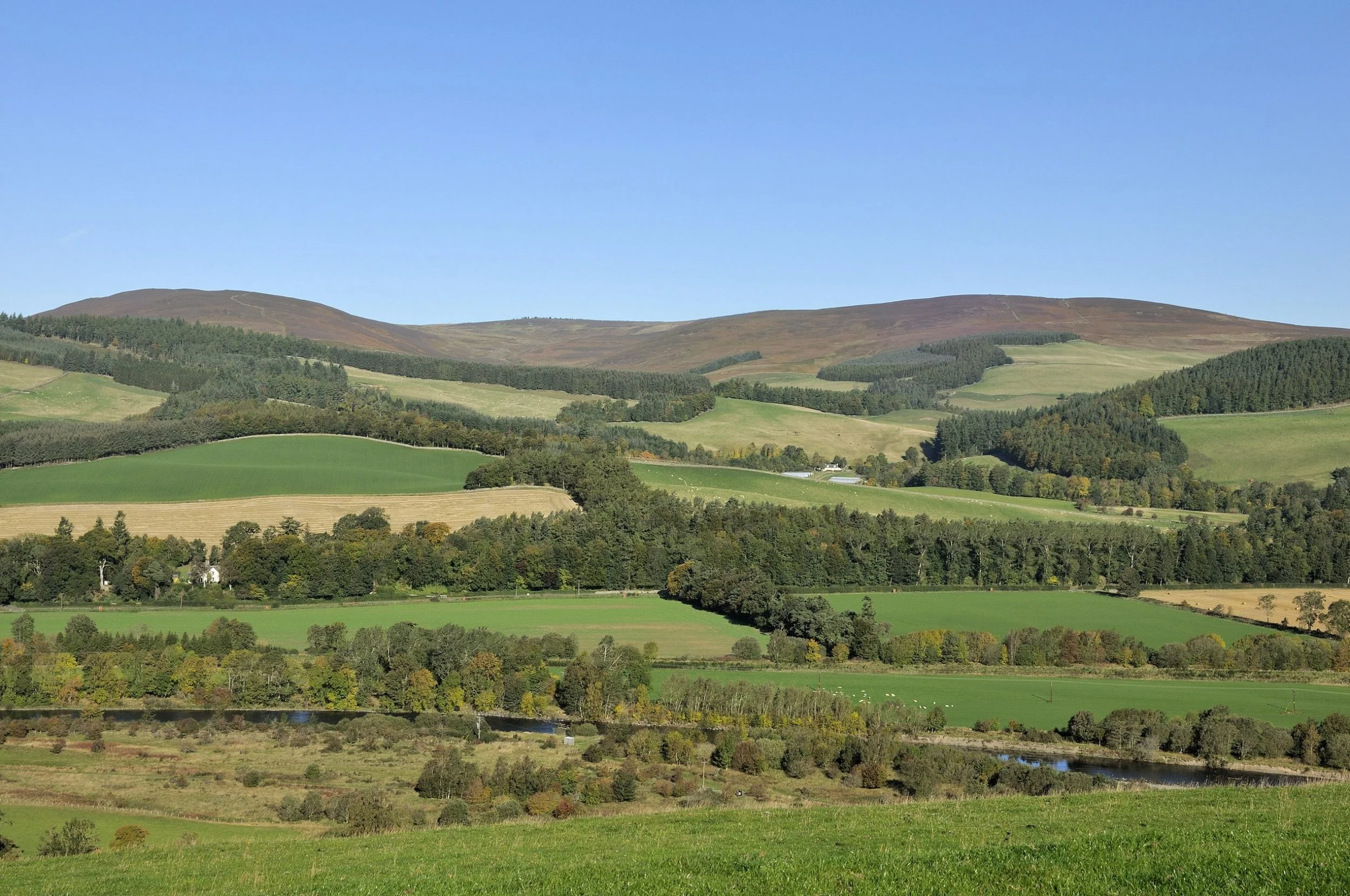
Dripping in Scottish history spanning centuries, Philiphaugh, is rich in military legend and modern industrial movements through is wide ranging diversification
Historical Timeline
The Murray Family (prior owners to the Strang-Steel Family) have a connection to the land at Philiphaugh that dates back to at least 1280, during the reign of King Alexander III.
Archeologists in 2014 discovered foundations of a medieval settlement on the estate, which has confirmed the existence of a village which has been previously mentioned in ancient records but had been lost over time.
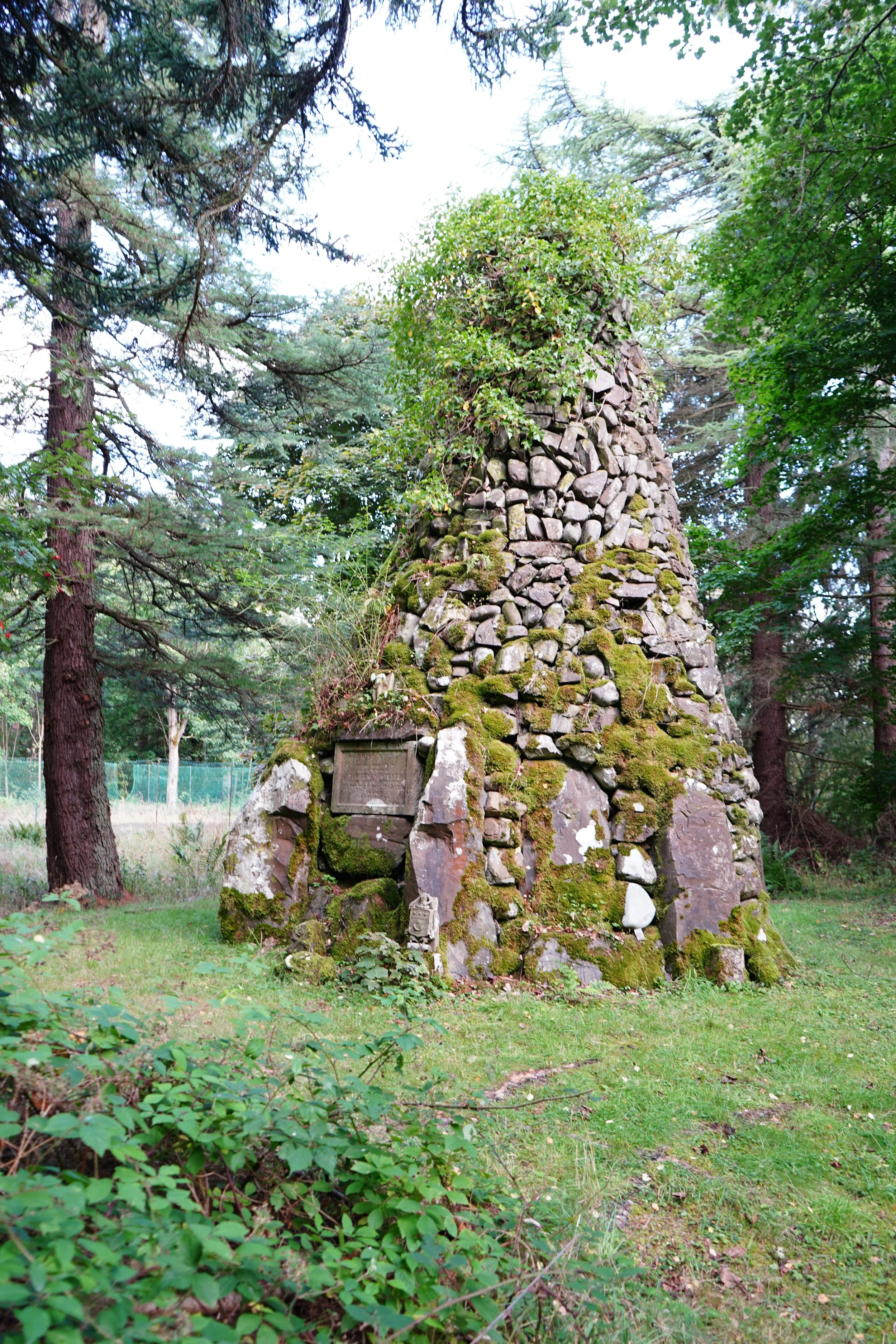
The most significant historical event occurred on the 13th of September 1645, during the wars of the 3 kingdoms, and is known as The Battle of Philiphaugh. During this fierce and bloody battle between the royalist army of The Marquis of Montrose and the Covenanters army of Sir David Leslie (supporters of the Scottish Presbyterian faith, which at the time was under threat from Charles I).
The Marquis of Montrose marched to Selkirk on 12th September hoping to recruit more soldiers to the Royalist cause. He spent the night along with most of his officers in Selkirk town leaving the rest of his troops camped in the fields at Philiphaugh. General Leslie having been informed about the location of Montrose’s army made a surprise attack during the early morning mist of 13th September 1645…. The Marquis of Montrose was defeated.
Come and visit us and as you follow the battlefield walk, learn how it unfolded. Take yourself back to that day and imagine the scene…… How would you distinguish between friend and foe in the frenzy of bloodlust?
Unearth the '“lost gold” associated with the Battle of Philiphaugh, in the aftermath of the battle, a servant tasked carrying gold to the battlefield by the Earl of Traquair, threw the gold in to a deep pool near Tinnis, to evade capture by the enemy troops hoping to retrieve it later. Despite extensive searches encompassing the draining of pools, the treasure has never been recovered… could it still lie buried on Minch Moor or was it taken by survivors?